Immediate Market Reaction to Iran’s Hormuz Declaration
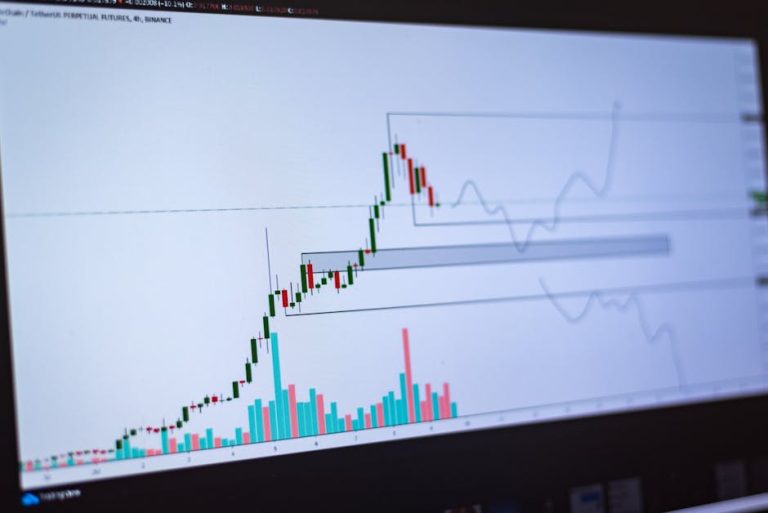
Oil prices tumbled by 11% within hours of Iran’s foreign minister, Mohammad Javad Zarif, announcing the Strait of Hormuz would remain open, triggering panic among traders. The drop followed weeks of speculation about potential disruptions to the critical shipping lane, which handles nearly 20% of the world’s oil supply. Futures contracts for Brent crude fell below $80 per barrel, reflecting widespread uncertainty about geopolitical stability.
The market’s sharp decline came as investors scrambled to assess the implications of Iran’s bold statement, which contradicted earlier threats of blocking the strait. Analysts noted the volatility mirrored past crises, such as the 2019 attack on a Saudi oil facility, which had similarly shaken confidence in global energy flows. Despite Zarif’s assurances, the statement failed to quell fears of renewed tensions with regional powers.
Traders in New York and London cited the declaration as a “proxy test” of Iran’s resolve, with many questioning whether the move would escalate or de-escalate hostilities. The U.S. and Gulf allies, however, remained silent on the matter, leaving markets to speculate on the true intent behind the announcement.
Iran’s Strategic Messaging and Regional Power Dynamics
Zarif’s declaration was framed as a diplomatic maneuver to assert Iran’s influence in the Persian Gulf, leveraging its control over the strait as a bargaining chip. The move coincided with ongoing negotiations between Iran and OPEC+ to stabilize oil prices, though the talks had stalled over disagreements on production cuts. By emphasizing the strait’s openness, Iran sought to pressure its rivals into concessions while avoiding direct confrontation.
The statement also came amid heightened tensions with the U.S., which has imposed sanctions on Iranian energy exports and accused Tehran of destabilizing the region. Iranian officials have long argued that their actions are justified by Western aggression, a narrative reinforced by Zarif’s rhetoric. However, regional allies like Saudi Arabia and the UAE have remained cautious, wary of provoking a broader conflict.
Analysts suggest the declaration was less about immediate action and more about signaling Iran’s strategic flexibility. By avoiding a direct threat, Tehran may have aimed to avoid further sanctions while maintaining leverage in ongoing negotiations. The ambiguity, however, left energy markets in limbo, with no clear resolution in sight.
Geopolitical Stakes and the Road Ahead for Energy Markets
The Hormuz declaration has reignited debates over the role of energy in global politics, with experts warning that even symbolic gestures can destabilize markets. The strait’s vulnerability to sabotage or blockage remains a key concern, particularly as U.S.-Iran relations continue to fluctuate. Energy analysts now emphasize the need for diversified supply routes, though such efforts face logistical and political hurdles.
Iran’s move has also complicated OPEC+’s efforts to balance supply and demand. With the price plunge threatening to erode state revenues, the cartel faces pressure to act decisively. However, internal divisions—particularly between Saudi Arabia and Iran—could delay any consensus.
The declaration, therefore, may have inadvertently prolonged the crisis rather than resolving it. As the situation unfolds, the focus will shift to whether Iran’s message translates into tangible policy changes. For now, the market’s reaction underscores the fragile equilibrium between energy security and geopolitical brinkmanship.
Conclusion
The sharp oil price drop following Iran’s Hormuz declaration highlights the precarious balance between energy markets and geopolitical tensions. While the statement aimed to assert Iran’s influence, it has instead deepened uncertainty, leaving traders and policymakers to navigate a volatile landscape. The coming weeks will determine whether this moment marks a shift in power dynamics or a temporary flare-up in an ongoing struggle for regional dominance.
Related story: Snap’s Stock Surges 14% Amid Irenic Capital’s Bold Recommendations for a 600% Value Boost
About the Author