Classrooms and Dating Apps: AI’s Unseen Influence on Daily Life
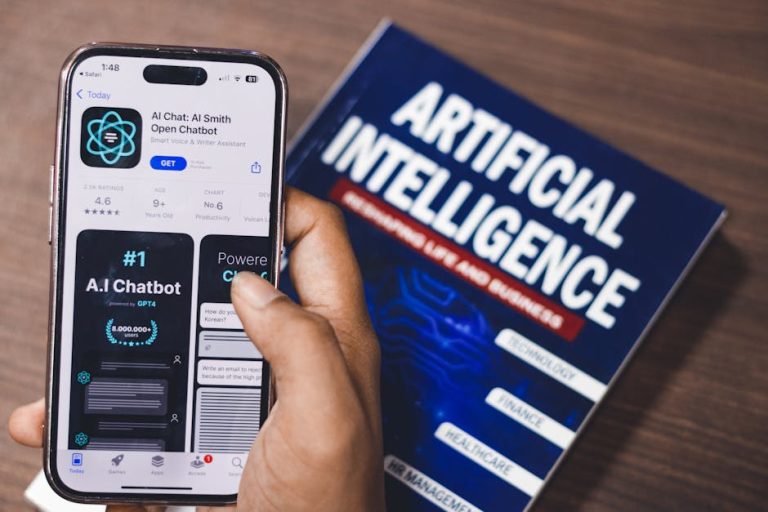
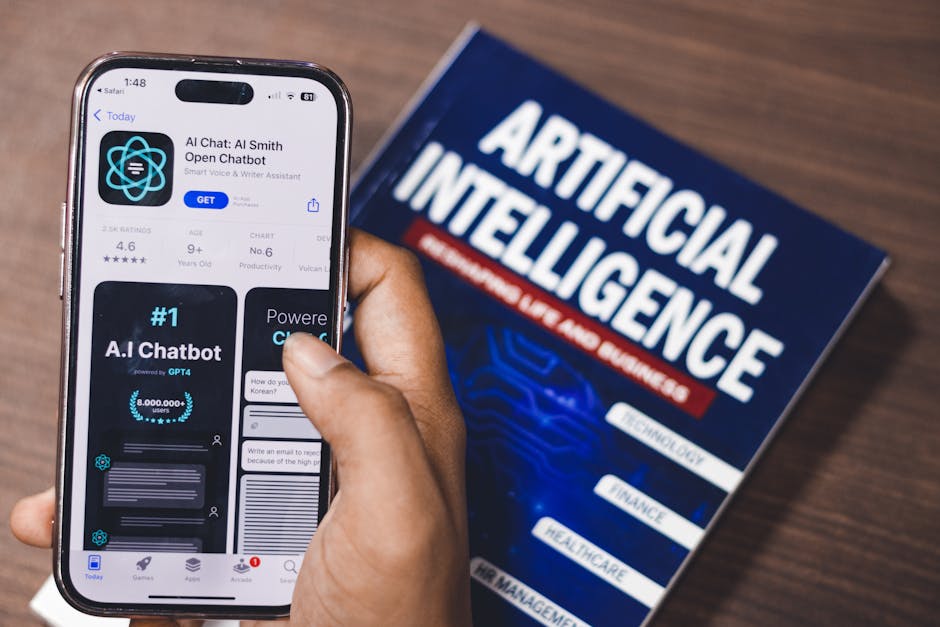
Students now draft essays with LLM tools as an invisible companion, replacing the traditional rhythm of notes and revisions. This shift has normalized AI’s presence in education, where it acts as both a collaborator and a silent observer. Meanwhile, dating apps have quietly adopted AI to refine matches and generate prompts, blurring the line between human connection and algorithmic curation.
These examples reveal how AI has moved beyond novelty to become an unremarkable yet pervasive part of online routines. Even in spaces long considered uniquely human, like dating platforms, AI now shapes interactions. Users no longer rely solely on their own words to craft profiles or navigate relationships; the system itself contributes to the dialogue.
This normalization of AI’s role has made it feel less like a tool and more like a participant in everyday digital life. The result is a subtle but significant transformation in how people engage with both technology and each other.
From Passive Consumption to Active Creation: The New Digital Experience
What began as a tool for retrieving information is now evolving into a platform for experimentation and co-creation. Users are no longer content with asking questions—they are designing games, modifying prompts, and building interactive experiences that respond to their input. Platforms like Aippy exemplify this shift, replacing passive video feeds with playful, participatory content that invites users to engage directly.
The system translates natural language into interactive elements, turning simple ideas into shared experiences. This transformation is reshaping the very nature of digital interaction. Instead of viewing content as static, users now see it as a dynamic space they can shape.
A single idea can spawn variations, reinterpretations, and new possibilities, creating a loop where creation and engagement feed into one another. The boundary between consumer and creator dissolves, making interaction the core of online participation. This evolution is not just about functionality—it’s about redefining what it means to be part of the digital world.
A Playground of Possibilities: How AI is Reshaping User Engagement
The implications of this shift are profound. As AI becomes more responsive and persistent, it is no longer a one-time interaction but a continuous dialogue. Users return to refine their inputs, adjust their strategies, and build on previous exchanges, fostering a sense of continuity that was previously absent.
This persistence turns AI into a collaborator rather than a mere utility, encouraging experimentation and creativity. Yet, this transformation is still in its early stages. While the direction is clear—toward a more fluid, interactive digital landscape—the full impact remains uncertain.
What emerges may not be a better chatbot, but a new kind of internet where content is shaped by collective participation. The stakes lie in how this evolution balances innovation with responsibility, ensuring that AI’s role as a creative partner remains both empowering and transparent.
Conclusion
AI’s quiet integration is redefining online engagement by turning passive consumption into active creation. From classrooms to dating apps, the shift toward persistent, participatory interaction signals a new era in digital experiences. As users shape and reshape their interactions, the internet itself may evolve into a space where participation, not just observation, defines its future.
Read more: European Automakers Seek Defense Lifelines Amid EV Slump and Chinese Competition
About the Author