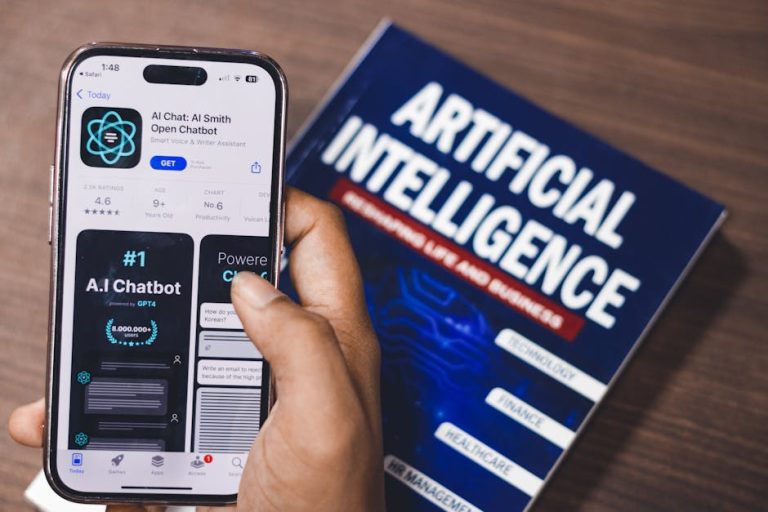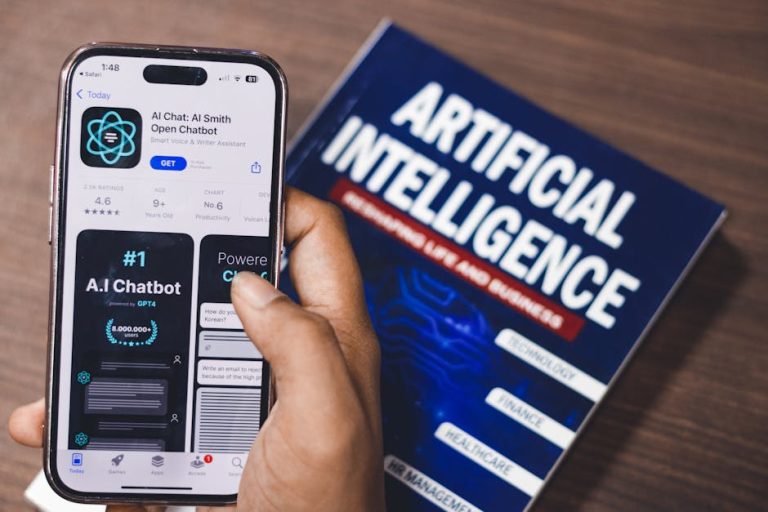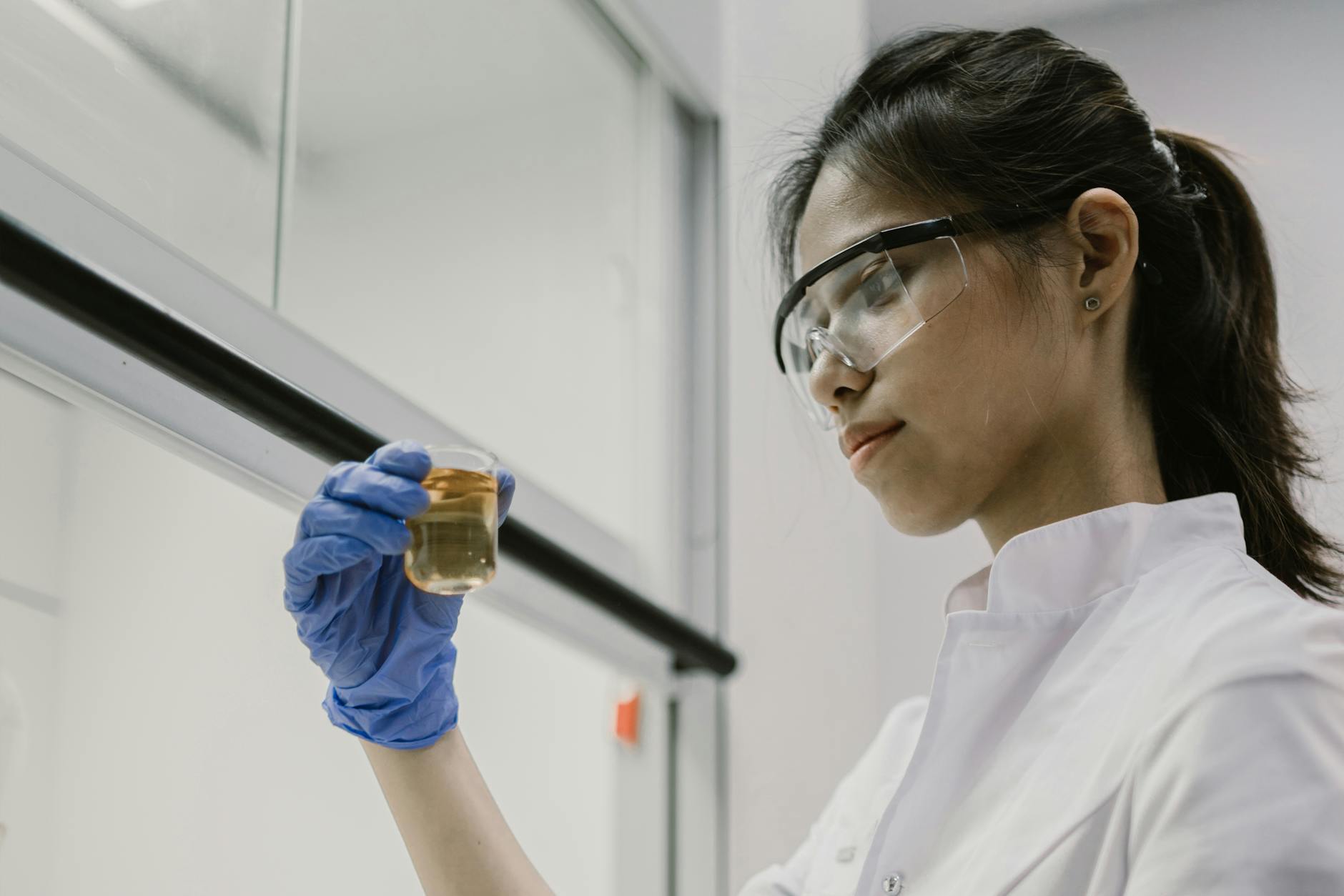
Science in 2026 is moving faster than ever, with breakthroughs that are no longer confined to labs but are already shaping how you live, work, and interact with technology. From AI-driven research to medical advances and space exploration, you can explore how these innovations connect to real-world impact through curated insights and updates on https://enodurango.com/ where emerging science meets practical relevance.
Artificial intelligence and computing redefine research speed
One of the biggest shifts in 2026 is how artificial intelligence has transformed the pace of discovery. Scientists are no longer limited by traditional trial-and-error methods. AI models now predict outcomes, simulate experiments, and generate solutions in a fraction of the time.
AI-designed drugs are entering real-world testing
Pharmaceutical research used to take years just to identify viable compounds. In 2026, AI systems can analyze millions of molecular combinations within hours.
Researchers are now using machine learning to:
- Identify potential drug candidates faster
- Predict side effects before human trials
- Optimize dosage and treatment plans
This has led to faster development of treatments for diseases that were previously difficult to target. Some experimental drugs designed by AI have already moved into clinical trials, cutting years off traditional timelines.
Quantum computing moves closer to practical use
Quantum computing is no longer theoretical. In 2026, companies and research institutions are achieving more stable quantum systems.
These systems can:
- Solve complex optimization problems
- Model chemical reactions at atomic levels
- Improve encryption and cybersecurity
While still not fully mainstream, quantum breakthroughs are beginning to influence industries like finance, logistics, and pharmaceuticals.
The rise of autonomous scientific discovery
AI is not just assisting scientists. It is becoming a collaborator.
Automated labs can now:
- Run experiments 24/7
- Adjust parameters in real time
- Learn from results without human input
This creates a feedback loop where discoveries happen continuously. You are seeing the early stages of self-driving science.
Medical breakthroughs extend life and improve quality of care
Healthcare in 2026 is shifting from reactive treatment to proactive prevention. Scientific discoveries are helping doctors detect diseases earlier and treat them more precisely.
Gene editing becomes safer and more targeted
CRISPR technology has improved significantly. Scientists can now edit genes with greater accuracy and fewer unintended effects.
This is being applied to:
- Rare genetic disorders
- Certain types of cancer
- Inherited conditions
Instead of managing symptoms, treatments are addressing root causes at the DNA level.
Personalized medicine becomes standard practice
Medicine is no longer one-size-fits-all. Treatments are tailored based on your genetic profile, lifestyle, and medical history.
Doctors can now:
- Predict how you will respond to specific drugs
- Adjust therapies in real time
- Reduce adverse reactions
This leads to more effective treatments and better patient outcomes.
Early detection technologies save lives
New diagnostic tools are identifying diseases before symptoms appear.
Examples include:
- Blood tests that detect cancer markers early
- Wearable devices that monitor heart health continuously
- AI systems that analyze imaging data with high accuracy
Early detection significantly increases survival rates and reduces healthcare costs.
Regenerative medicine shows real progress
Scientists are making advances in growing tissues and repairing organs.
Key developments include:
- Lab-grown organs for transplantation
- Stem cell therapies for damaged tissues
- Techniques to regenerate nerve cells
These breakthroughs offer hope for conditions that were once considered irreversible.
Space exploration and environmental science reshape the future
Beyond Earth, science in 2026 is expanding your understanding of the universe while also addressing urgent challenges on this planet.
New discoveries in space deepen understanding of the universe
Space missions are uncovering new data about planets, stars, and cosmic phenomena.
Recent developments include:
- Detection of potentially habitable exoplanets
- Improved mapping of distant galaxies
- New insights into black holes and dark matter
These discoveries are not just academic. They influence technology, navigation systems, and even climate models.
Climate science drives urgent innovation
Environmental research is becoming more action-oriented.
Scientists are focusing on:
- Carbon capture technologies
- Renewable energy efficiency
- Climate prediction models
New materials and systems are helping reduce emissions and improve sustainability.
Breakthroughs in clean energy technologies
Energy innovation is critical in 2026.
Some of the most promising developments include:
- Advanced battery storage with longer lifespans
- More efficient solar panels
- Early-stage fusion energy experiments
These technologies aim to provide reliable, low-emission energy sources for the future.
Ocean research uncovers hidden ecosystems
Large parts of the ocean remain unexplored. New technologies are changing that.
Researchers are using:
- Autonomous underwater vehicles
- High-resolution mapping systems
- Advanced sensors for deep-sea analysis
These tools are revealing ecosystems that could hold new biological resources and insights into Earth’s history.
How these discoveries impact your daily life
Scientific breakthroughs are not distant concepts. They are already influencing everyday experiences.
Technology becomes more intuitive and efficient
AI-powered systems are improving how you interact with devices.
You benefit from:
- Smarter assistants
- Faster data processing
- More accurate recommendations
These changes make technology feel more natural and responsive.
Healthcare becomes more accessible
With better diagnostics and personalized treatments, healthcare is becoming more efficient.
You can expect:
- Faster diagnoses
- More targeted therapies
- Improved long-term health outcomes
This reduces the burden on healthcare systems and improves quality of life.
Sustainability becomes part of daily decisions
Environmental innovations are influencing how you consume energy and resources.
Examples include:
- Electric vehicles with improved range
- Energy-efficient homes
- Sustainable materials in everyday products
These shifts help reduce environmental impact without sacrificing convenience.
Conclusion
Scientific discoveries in 2026 are not just expanding knowledge. They are actively reshaping the world you live in. From AI-driven research to medical innovation and environmental solutions, these breakthroughs are creating a future that is more connected, efficient, and sustainable. Understanding these changes helps you stay informed and adapt to a rapidly evolving world.
Related Reading
- The scientific breakthroughs redefining the future of innovation
- Barack Obama’s address sparks renewed nationwide push for unity
- Real Science Facts That Reveal How the World Actually Works
About the Author