The global financial landscape is shifting fast as investors reposition capital in response to rising uncertainty. A growing wave of funds is flowing into cash and dollar-denominated assets, signaling caution across markets. For broader financial context and ongoing economic coverage, you can explore in-depth updates at https://enodurango.com/ where global trends and market movements are tracked in real time.
Investors rush to cash as volatility spreads across global markets
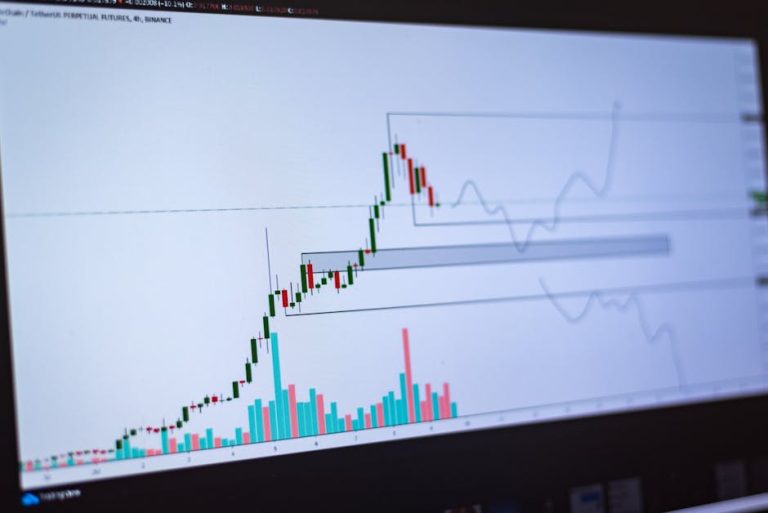
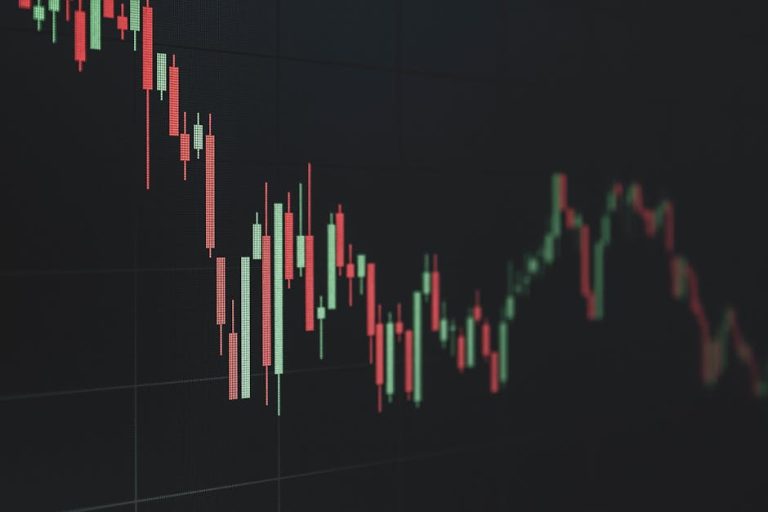
Across equity and bond markets, volatility has picked up sharply. Traders and institutions are reducing exposure to risk assets and increasing cash holdings. This move is not random. It reflects a defensive strategy during periods of instability.
Recent weeks have seen significant sell-offs in key stock indices. Technology shares, which had led gains in previous cycles, are now facing pressure. At the same time, emerging markets are experiencing capital outflows as investors seek safer options.
Cash, often overlooked during bull markets, becomes attractive in uncertain conditions. It provides liquidity. It allows investors to wait. Most importantly, it reduces exposure to sudden price swings.
Several factors are driving this shift:
- Rising interest rates in major economies
- Persistent inflation concerns
- Geopolitical tensions affecting supply chains
- Uncertainty around central bank policy direction
When these elements combine, market participants tend to prioritize capital preservation over aggressive growth.
Institutional investors are leading the move. Hedge funds, pension funds, and asset managers are increasing allocations to cash or short-term instruments. This trend is also visible in money market funds, which have recorded strong inflows.
Retail investors are following the same path, although at a slower pace. Many are reallocating from equities into savings products or short-term bonds.
This behavior reflects a broader sentiment. Confidence is not gone, but it is cautious. Investors are waiting for clearer signals before committing capital again.
The strength of the US dollar signals global demand for safety
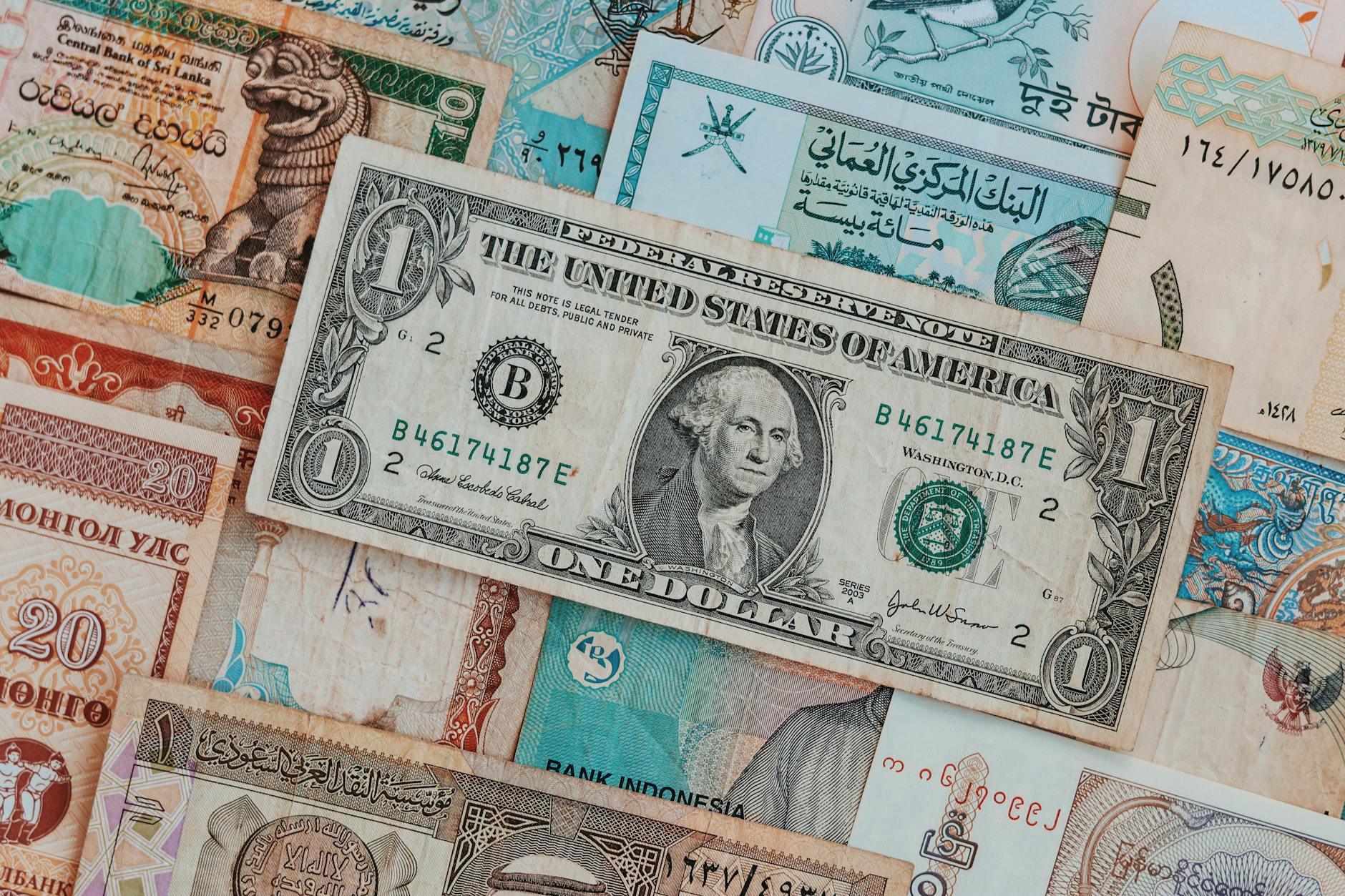
The surge in the US dollar is a direct result of these capital flows. When investors seek safety, they often turn to the dollar. It remains the world’s primary reserve currency and is widely trusted during periods of uncertainty.
As demand increases, the value of the dollar rises. This has several immediate effects across global markets.
First, it puts pressure on other currencies. Emerging market currencies are particularly vulnerable. A stronger dollar makes it more expensive for these countries to service dollar-denominated debt.
Second, it impacts commodities. Since many commodities are priced in dollars, a stronger dollar can reduce demand. This often leads to lower prices for assets like oil and gold in global markets.
Third, it influences trade balances. Countries with weaker currencies may see exports become more competitive. However, imports become more expensive, which can increase inflation.
The current dollar rally is supported by multiple structural factors:
- Higher interest rates in the United States compared to other economies
- Strong demand for US Treasury securities
- Perception of the US economy as relatively stable
- Ongoing global uncertainty
Central banks around the world are closely monitoring these developments. Some are intervening in currency markets. Others are adjusting monetary policy to stabilize their economies.
For multinational corporations, currency fluctuations create additional challenges. Revenue earned in foreign markets may lose value when converted back into dollars. This can affect earnings reports and investor expectations.
Despite these pressures, the dollar’s dominance remains intact. In times of stress, it continues to act as a global anchor.
What this shift means for investors and the broader economy
The movement toward cash and the strengthening dollar carry important implications. These trends affect not only financial markets but also everyday economic conditions.
For investors, holding cash offers flexibility. It allows them to respond quickly when opportunities arise. However, it also comes with trade-offs. Cash typically generates lower returns compared to equities over the long term.
This creates a balancing act. Investors must decide how much risk they are willing to take and how long they expect uncertainty to last.
Some strategies are becoming more common:
- Increasing allocation to short-term bonds
- Diversifying across different asset classes
- Maintaining higher liquidity levels
- Reducing exposure to highly volatile sectors
At the same time, long-term investors are not exiting the market entirely. Many are selectively buying assets that have declined in value but still show strong fundamentals.
For the broader economy, a shift toward cash can slow growth. When investment decreases, businesses may delay expansion. Hiring may slow. Consumer confidence can weaken.
However, this does not necessarily signal a crisis. It often represents a transition phase. Markets are adjusting to new conditions, including higher interest rates and changing global dynamics.
Central banks play a key role in shaping what happens next. Their decisions on interest rates, inflation control, and liquidity will influence market direction.
Governments also face challenges. Fiscal policy must balance economic support with debt management. This becomes more complex in a high-interest-rate environment.
In the corporate sector, companies are adapting by managing costs more carefully. Many are focusing on efficiency rather than rapid growth. This shift can improve resilience but may limit short-term expansion.
For individual investors, the current environment highlights the importance of discipline. Emotional decisions can lead to losses. A clear strategy, based on long-term goals, becomes essential.
The surge in the dollar and the movement into cash are not isolated events. They are part of a broader pattern that has appeared in previous market cycles. Each time, the details differ, but the underlying behavior remains consistent.
Investors seek safety when uncertainty rises. They return to risk when conditions stabilize.
Understanding this cycle can help you make better decisions. It allows you to see beyond short-term headlines and focus on long-term trends.
Conclusion
The current wave of capital moving into cash and the strengthening US dollar reflect a market in transition. Investors are not retreating permanently. They are repositioning. As uncertainty continues, flexibility and careful analysis will define success in the months ahead.
Related Reading
- Daily habits that boost your health and energy without drastic changes
- Inside a high-risk mid air mission as elite paratroopers carry out precision operation
- Global headlines shaping the world this week
About the Author