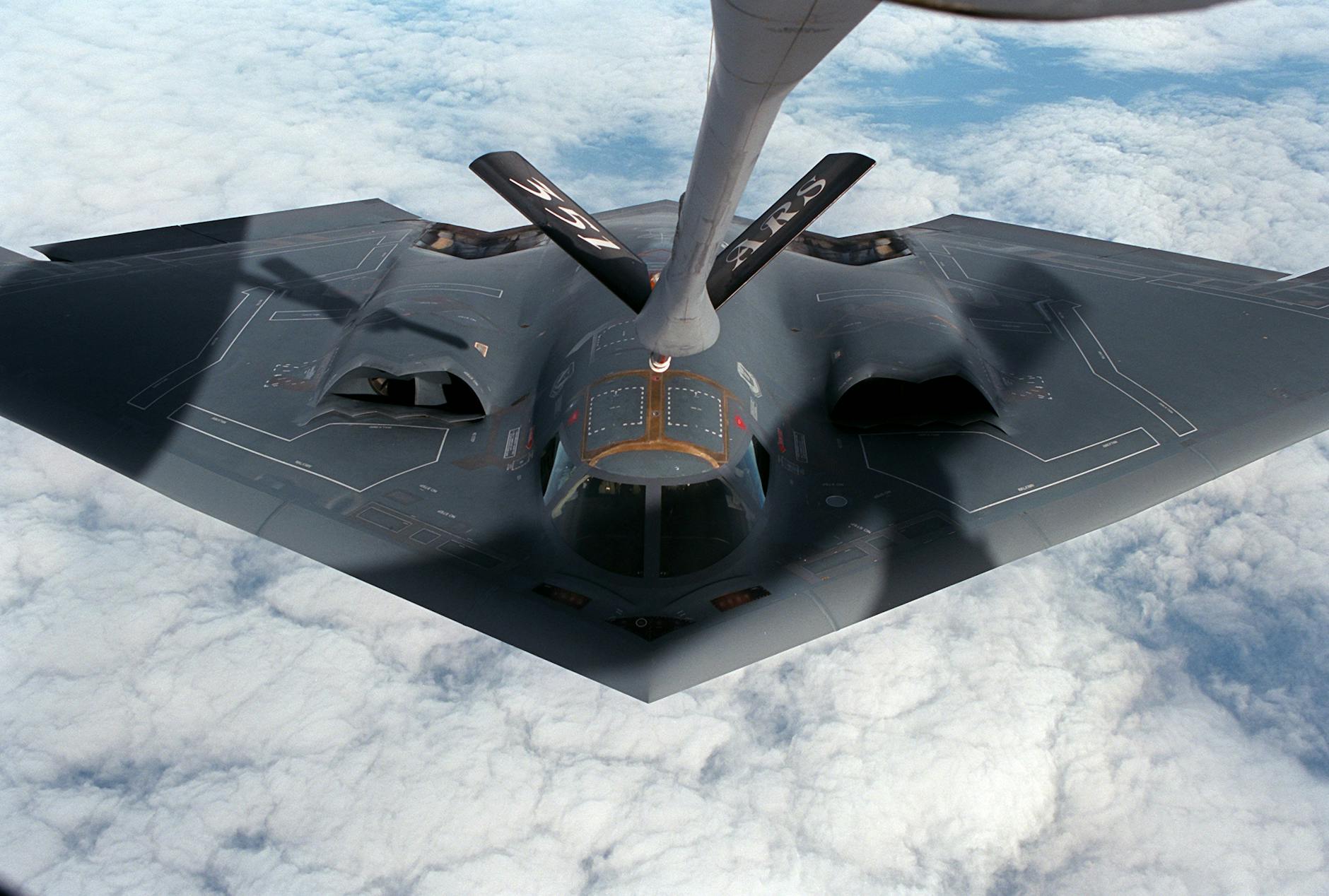
In modern military operations, speed and precision often determine success. Recent developments highlight how airborne units continue to evolve, with elite paratroopers executing complex missions far above ground level. For more in-depth coverage of global events and defense updates, you can explore detailed reports at https://enodurango.com/ where current affairs are analyzed with clarity and context.
The planning behind a high altitude airborne operation
A mid air operation involving special forces paratroopers does not begin in the sky. It starts long before takeoff, with weeks or even months of planning.
Military strategists focus on several critical elements:
- Weather patterns and wind direction
- Aircraft type and flight path
- Drop altitude and timing
- Target location and terrain conditions
Each variable must align. Even a slight miscalculation in wind speed can shift a landing zone by hundreds of meters. That level of error can compromise the entire mission.
Command units rely heavily on real time intelligence. Satellite imaging, drone surveillance, and ground reconnaissance all contribute to building a precise operational map.
Coordination between aircrew and paratroopers is equally important. Pilots must maintain exact altitude and speed during the drop window. Meanwhile, jumpmasters inside the aircraft control the timing of each exit.
Training for such missions is intensive. Paratroopers rehearse night jumps, high altitude low opening procedures, and emergency scenarios. These drills reduce risk when conditions become unpredictable.
Equipment used in these operations reflects the same level of precision:
- Advanced parachute systems designed for controlled descent
- Navigation devices with GPS tracking
- Lightweight communication gear
- Oxygen systems for high altitude jumps
Each piece of equipment is tested under extreme conditions to ensure reliability.
Execution in mid air where timing defines survival
Once the aircraft reaches the designated altitude, the operation enters its most critical phase.
The cabin environment changes quickly. At high altitude, oxygen levels drop and temperatures fall. Paratroopers switch to specialized breathing systems and prepare for immediate deployment.
The jump sequence is calculated down to seconds.
When the signal is given, paratroopers exit the aircraft in rapid succession. They maintain formation while descending through strong air currents.
Two main techniques are commonly used:
- High altitude low opening, where parachutes deploy close to the ground
- High altitude high opening, where parachutes open shortly after exit
Each method serves a different purpose. Low opening allows stealth, reducing visibility and radar detection. High opening provides more control over landing accuracy.
During descent, paratroopers navigate using both visual references and digital tools. They adjust their trajectory to compensate for wind drift.
Communication remains active throughout the operation. Team members relay position updates and confirm landing zones.
This phase demands absolute focus. Any delay in parachute deployment or miscalculation in direction can lead to serious consequences.
Despite the risks, trained units perform these maneuvers with remarkable consistency. Their ability to operate in such environments reflects years of preparation.
Strategic importance of airborne missions in modern warfare
Airborne operations continue to play a vital role in military strategy.
They offer advantages that ground forces cannot easily match:
- Rapid deployment into remote or hostile areas
- Ability to bypass traditional defenses
- عنصر surprise that disrupts enemy planning
Special forces paratroopers are often deployed in missions that require immediate action. This includes securing critical infrastructure, conducting reconnaissance, or supporting larger operations.
In recent years, technology has expanded the scope of these missions.
Improved navigation systems allow for greater accuracy. Enhanced communication tools ensure better coordination across units. Aircraft capabilities have also evolved, enabling longer range and higher altitude deployments.
At the same time, the risks remain significant.
Airborne troops operate in environments where conditions can change instantly. Weather shifts, equipment failure, or unexpected resistance on the ground can all impact the outcome.
This is why adaptability is a key trait among special forces. They are trained to respond quickly and adjust plans in real time.
The psychological aspect is equally important. Jumping from high altitude into uncertain conditions requires discipline and mental resilience.
Many defense analysts view airborne units as a critical component of modern military readiness. Their flexibility allows them to respond to crises faster than conventional forces.
Conclusion
Mid air operations carried out by special forces paratroopers represent one of the most demanding aspects of modern military activity. From detailed planning to precise execution, every stage requires coordination, training, and advanced technology. As global conflicts evolve, these airborne missions continue to demonstrate how speed and accuracy can shape outcomes on the ground.
Related Reading
- How artificial intelligence is reshaping daily life and modern business
- The most important future technology trends shaping the next decade
- The Statue of Liberty Remains a Symbol of Strength in a Time of National Uncertainty
About the Author