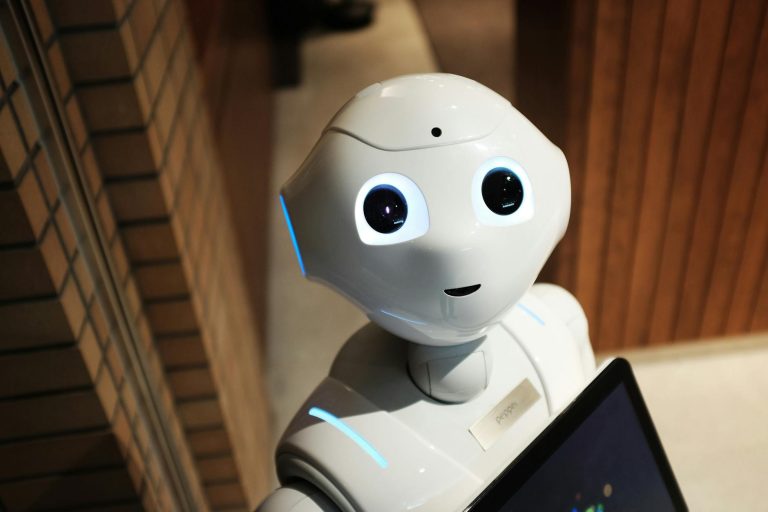
Artificial intelligence is no longer a distant concept. It is already part of your daily routine, from the apps you use to the services you rely on. If you want to explore how digital innovation is evolving across industries, you can follow insights and updates at https://enodurango.com/ where emerging tech trends are tracked in real time.
AI in everyday life is becoming invisible but essential
Artificial intelligence works quietly in the background. You may not always notice it, but it shapes many of your daily decisions and experiences.
From the moment you wake up, AI is already active. Your phone suggests the fastest route to work. Your email filters spam before you even see it. Streaming platforms recommend what to watch next based on your habits.
Smart assistants and personalized experiences
Voice assistants and recommendation systems have become standard tools. They rely on machine learning models that analyze behavior and adapt over time.
Common examples include:
- Voice assistants like Siri or Google Assistant
- Recommendation engines on Netflix and Spotify
- Smart home devices that adjust lighting and temperature
These systems learn from your behavior. The more you use them, the more accurate they become.
This creates a feedback loop. Your preferences shape the system, and the system shapes your choices.
AI in communication and social interaction
AI also plays a role in how you communicate. Messaging apps now use predictive text and auto-replies. Social media platforms curate feeds based on engagement patterns.
This has two clear effects:
- You see more content that matches your interests
- You spend more time on platforms without realizing it
While this improves convenience, it also raises questions about attention and control.
Healthcare and personal wellbeing
AI is making healthcare more accessible and efficient. It helps doctors detect diseases earlier and manage patient data more effectively.
Key applications include:
- AI-assisted diagnostics for medical imaging
- Wearable devices tracking heart rate and sleep patterns
- Chatbots offering basic health advice
For example, AI can analyze thousands of medical images in seconds. This reduces diagnosis time and increases accuracy.
For you, this means faster care and better monitoring of your health.
AI is transforming how businesses operate and compete
Businesses are using AI to improve efficiency, reduce costs, and make better decisions. This is not limited to tech companies. It affects almost every industry.
Automation and productivity gains
AI automates repetitive tasks. This allows employees to focus on higher-value work.
Examples include:
- Customer service chatbots handling basic inquiries
- Automated data entry and document processing
- AI tools generating reports and summaries
This shift changes how work is structured. Routine tasks are handled by machines, while humans focus on strategy and creativity.
Data-driven decision making
AI processes large amounts of data quickly. Businesses use this to identify patterns and predict outcomes.
This leads to better decisions in areas such as:
- Marketing campaigns based on user behavior
- Inventory management using demand forecasts
- Financial analysis with real-time insights
For example, an e-commerce company can predict which products will sell next month. This reduces waste and increases profit.
Personalization at scale
Companies now deliver personalized experiences to millions of users at once.
You see this in:
- Targeted ads based on browsing history
- Product recommendations tailored to your preferences
- Dynamic pricing depending on demand and behavior
Personalization increases engagement. Customers feel understood. Businesses see higher conversion rates.
AI in customer experience
Customer expectations are higher than ever. AI helps businesses meet those expectations.
Tools include:
- 24/7 chat support powered by AI
- Sentiment analysis to understand customer feedback
- Voice recognition in call centers
This improves response time and consistency. Customers get answers faster, and companies reduce operational costs.
Challenges risks and the future of AI integration
While AI brings clear benefits, it also introduces challenges that cannot be ignored.
Ethical concerns and data privacy
AI systems rely on data. The more data they have, the better they perform.
This raises important questions:
- How is your data collected and stored
- Who has access to it
- How it is used to influence decisions
There is also the issue of bias. If the data used to train AI is biased, the results will be biased too.
This can affect hiring decisions, loan approvals, and even law enforcement systems.
Job displacement and workforce changes
Automation changes the job market. Some roles become obsolete, while new roles emerge.
Jobs most affected include:
- Data entry and administrative roles
- Basic customer service positions
- Repetitive manufacturing tasks
At the same time, new opportunities appear in:
- AI development and data science
- System management and maintenance
- Creative and strategic roles
The key challenge is adaptation. Workers need to learn new skills to stay relevant.
Regulation and control
Governments are still catching up with AI development. Regulations vary by country and industry.
Key areas of focus include:
- Data protection laws
- AI transparency and accountability
- Safety standards for automated systems
Without proper regulation, misuse of AI can lead to serious consequences.
What the future looks like
AI will continue to evolve. It will become more integrated into daily life and business operations.
You can expect:
- More advanced automation in workplaces
- Smarter personal devices with deeper learning capabilities
- Increased collaboration between humans and machines
The goal is not to replace humans. It is to enhance what humans can do.
Conclusion
Artificial intelligence is already part of your world. It simplifies daily tasks and transforms how businesses operate. As it continues to develop, the impact will only grow. Understanding how AI works and how it affects you is the first step to using it effectively and responsibly.
Related Reading
- Trump Honors Service Member With Prestigious Military Medal at White House Ceremony
- The most important technology trends redefining the future in 2026
- The Biggest Tech Advances and Digital Shifts Defining This Year
About the Author