Technology in 2026 is moving faster than ever, reshaping how you work, communicate, and interact with the world. From artificial intelligence to decentralized systems, innovation is no longer a future concept but part of daily life. If you want to stay updated with emerging tech insights and digital shifts, you can explore curated content on https://enodurango.com/ where modern technology meets real-world application.
Artificial intelligence becomes the backbone of everyday systems
Artificial intelligence is no longer limited to research labs or big tech companies. It is now embedded into tools you use every day.
From writing assistants to predictive healthcare, AI is quietly driving efficiency behind the scenes. Businesses are integrating AI into workflows to automate repetitive tasks, reduce human error, and improve decision-making.
AI copilots redefine productivity
AI copilots are becoming standard across industries. You see them in coding tools, office platforms, and even design software.
Instead of replacing humans, these systems act as assistants. They suggest ideas, complete tasks, and provide insights in real time.
This shift allows you to focus on strategy rather than execution.
Generative AI expands beyond text
Generative AI is no longer just about writing content. It now creates images, videos, music, and even software prototypes.
Companies are using it to speed up production cycles. What once took weeks can now be done in hours.
This changes how businesses approach creativity and innovation.
Ethical concerns and regulation grow
As AI becomes more powerful, concerns around privacy and bias are increasing.
Governments are starting to introduce regulations. Companies are being pushed to build transparent systems.
This creates a balance between innovation and responsibility.
The rise of immersive and connected digital environments
The way you experience digital spaces is changing. Screens are no longer the only interface.
Virtual and augmented environments are becoming more realistic and accessible.
Extended reality enters mainstream use
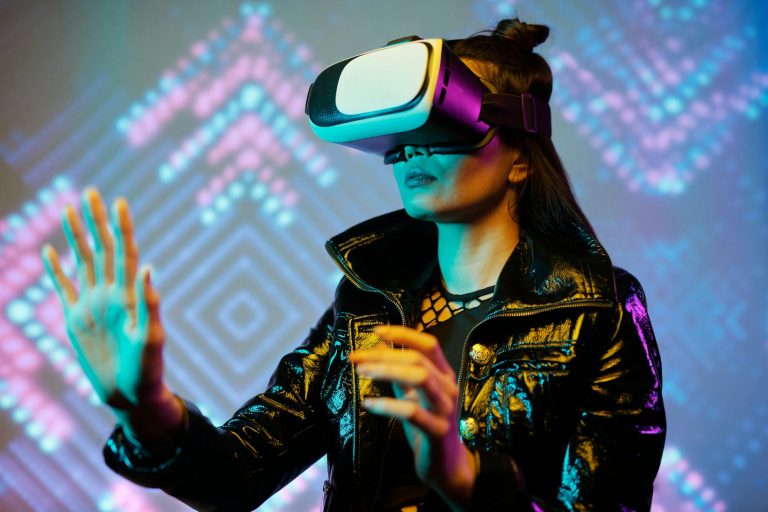
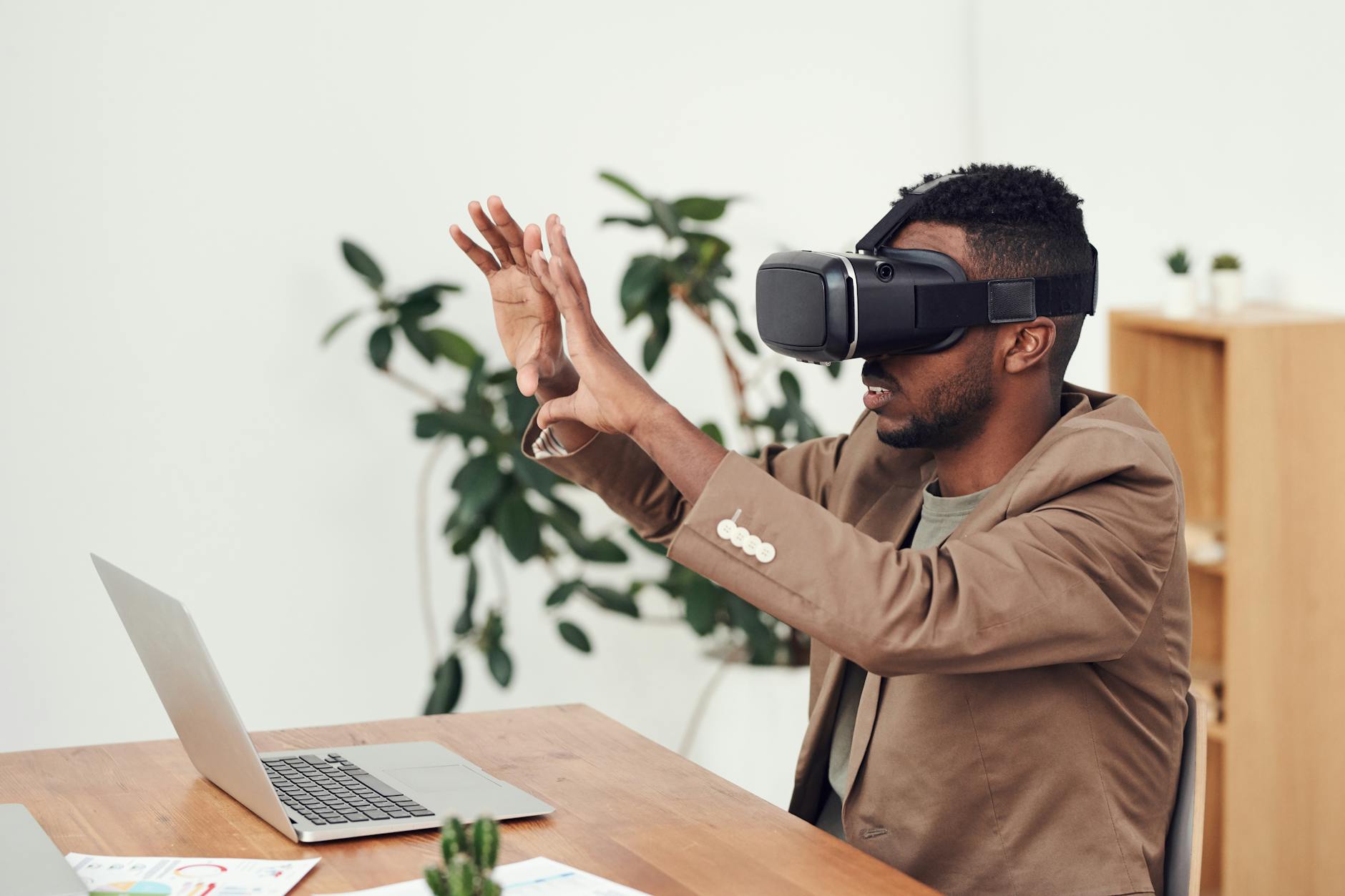
Extended reality, including VR and AR, is moving beyond gaming.
You can now use it for:
- Remote collaboration
- Virtual training
- Digital retail experiences
Companies are building virtual workspaces where teams interact as if they are in the same room.
The evolution of the metaverse concept
While the initial hype has slowed, the core idea of connected digital worlds is still developing.
Instead of one large metaverse, you now see smaller, purpose-driven ecosystems.
These platforms focus on specific industries like education, gaming, and commerce.
Smart devices create seamless ecosystems
Your devices are becoming more connected.
Phones, wearables, home systems, and vehicles now communicate with each other.
This creates a seamless experience where data flows continuously across platforms.
You no longer switch between devices. Everything works together.
Decentralization, sustainability, and the future of infrastructure
Technology is not just about convenience. It is also about building systems that are more secure and sustainable.
Blockchain evolves beyond cryptocurrency
Blockchain is expanding into areas like supply chain management, identity verification, and digital ownership.
You can track products from origin to delivery. You can verify identities without relying on central authorities.
This increases transparency and trust.
Green technology becomes a priority
Sustainability is now a key focus in tech development.
Companies are investing in:
- Energy-efficient data centers
- Renewable energy solutions
- Low-power hardware
This reduces environmental impact while maintaining performance.
Edge computing reduces latency
Instead of relying solely on centralized servers, data is now processed closer to where it is generated.
This is known as edge computing.
It improves speed and reliability, especially for applications like autonomous vehicles and smart cities.
Cybersecurity adapts to new threats
As systems become more complex, security risks increase.
You need stronger protection against data breaches and cyber attacks.
New approaches include:
- Zero trust security models
- AI-driven threat detection
- Advanced encryption techniques
Security is no longer optional. It is a core part of every system.
Why these trends matter for your future
Technology trends are not just industry news. They directly affect how you live and work.
The workplace is changing fast
Automation and AI are transforming job roles.
You need to adapt by learning new skills and staying flexible.
Jobs that focus on creativity, strategy, and problem-solving are becoming more valuable.
Digital literacy becomes essential
Understanding technology is no longer optional.
You do not need to be a developer, but you should understand how systems work.
This helps you make better decisions in both personal and professional life.
Opportunities are growing everywhere
New industries are emerging around these technologies.
From AI startups to green tech companies, there are more opportunities than ever.
If you stay informed, you can take advantage of these shifts.
Simple steps to stay ahead
You can keep up with technology without feeling overwhelmed.
Start with these actions:
- Follow reliable tech sources
- Experiment with new tools
- Learn basic digital skills
- Stay curious about innovation
Consistency matters more than speed.
Conclusion
Technology in 2026 is shaping a future that is more connected, intelligent, and efficient. The trends you see today are not temporary. They are building the foundation for the next decade. If you understand these changes now, you can adapt faster and make smarter decisions in a world that is constantly evolving.
Related Reading
- The most important future technology trends shaping the next decade
- Emerging Tech and Smart Gadgets Worth Your Attention Right Now
- Trump Honors Service Member With Prestigious Military Medal at White House Ceremony
About the Author