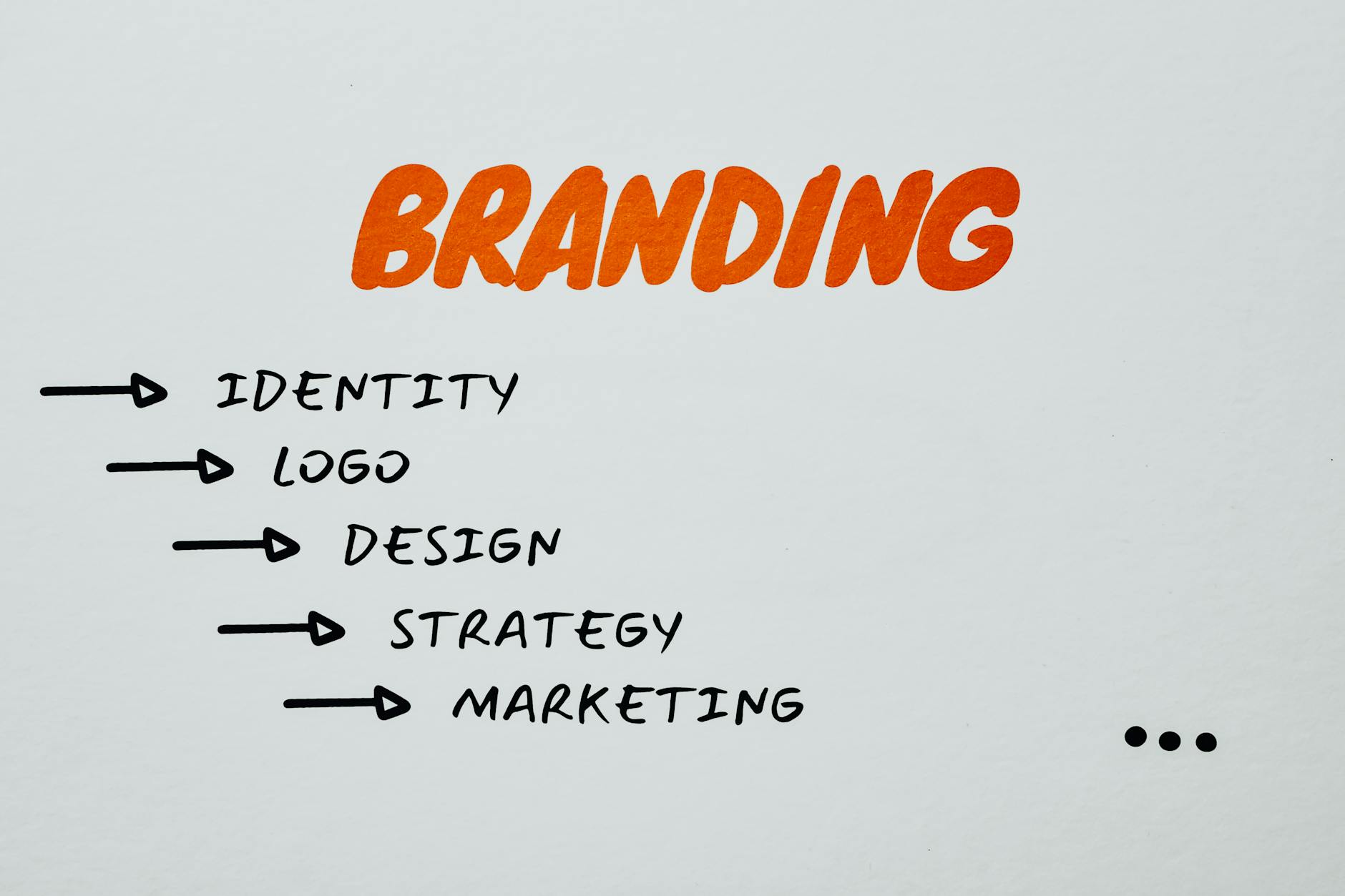
Building a brand in the digital economy is no longer optional if you want long-term growth and recognition. Whether you are launching a startup or scaling an existing business, understanding how digital ecosystems work can give you a real advantage. You can explore practical insights and business-focused content on https://enodurango.com/ where modern branding strategies meet real-world execution.
Understanding what a strong digital brand really means
A strong brand today is not just a logo or a color palette. It is how people perceive your business across multiple digital touchpoints.
Consumers interact with brands through websites, social platforms, search engines, and marketplaces. Every interaction shapes trust. That is why consistency matters more than ever.
A digital brand is built on three core elements:
- Clarity in message
- Consistency in experience
- Credibility through proof
If your messaging changes across platforms, users lose confidence. If your experience feels broken or outdated, they leave. If you lack credibility signals, they hesitate to convert.
The role of identity and positioning
You need to define exactly what your brand stands for. This includes your tone, your values, and your promise to customers.
Ask yourself simple questions:
- What problem do you solve
- Who are you solving it for
- Why should people trust you
Clear positioning helps you stand out in crowded markets. Without it, you blend in and become forgettable.
Why trust is the new currency
In the digital economy, trust drives everything. People cannot physically see your business, so they rely on signals.
These signals include:
- Reviews and testimonials
- Website design and speed
- Social proof and engagement
- Transparency in communication
If users trust your brand, they stay longer and spend more. If they do not, they leave within seconds.
Building visibility and authority across digital channels
Once your brand identity is clear, the next step is visibility. You need people to find you and recognize you.
Digital visibility is not about being everywhere. It is about being present where your audience spends time.
Leveraging SEO as a long-term strategy
Search engines remain one of the most powerful channels for brand growth.
When your content ranks, you gain:
- Organic traffic without ongoing ad costs
- Authority in your niche
- Higher trust from users
To build SEO strength, focus on:
- Creating content that answers real questions
- Using keywords naturally
- Structuring content clearly for readability
Consistency is key. Publishing once is not enough. You need a system.
Using content to educate and attract
Content is not just for traffic. It builds relationships.
When you create useful content, you:
- Help users solve problems
- Show expertise
- Build familiarity
Examples of effective content include:
- Guides and tutorials
- Case studies
- Industry analysis
- Short-form insights for social platforms
The goal is simple. Provide value before asking for anything.
Social media as a brand amplifier
Social platforms give your brand a voice. They allow direct interaction with your audience.
To use them effectively:
- Keep your tone consistent
- Respond to comments and messages
- Share insights, not just promotions
Brands that only sell get ignored. Brands that communicate get followed.
Creating a consistent experience that drives loyalty
Getting attention is one thing. Keeping it is another.
A strong brand creates a smooth experience from first click to repeat purchase.
The importance of user experience
Your website is often the first impression.
If it loads slowly or feels confusing, users leave. It does not matter how good your product is.
Focus on:
- Fast loading speed
- Mobile-friendly design
- Clear navigation
- Simple checkout process
Small improvements can increase conversions significantly.
Personalization and customer connection
People expect brands to understand them.
You can personalize through:
- Email recommendations
- Targeted content
- Retargeting ads
When users feel understood, they are more likely to engage.
Turning customers into advocates
The strongest brands are built by their customers.
Encourage this by:
- Delivering consistent value
- Asking for feedback
- Rewarding loyalty
Happy customers share their experiences. That creates organic growth.
Adapting and evolving in a fast-changing environment
The digital economy changes quickly. What works today may not work tomorrow.
That is why adaptability is critical.
Tracking data and performance
You cannot improve what you do not measure.
Track key metrics such as:
- Traffic sources
- Conversion rates
- Engagement levels
Use this data to refine your strategy.
Staying relevant with trends
You do not need to follow every trend. But you should stay aware.
Focus on trends that align with your brand.
For example:
- Short-form video content
- AI-driven personalization
- Voice search optimization
Adopt what fits. Ignore what does not.
Building long-term brand equity
Short-term tactics bring quick wins. Long-term branding builds lasting value.
Invest in:
- Strong storytelling
- Consistent messaging
- Quality customer experience
Over time, this creates recognition and loyalty that competitors cannot easily replicate.
Conclusion
Building a strong brand in the digital economy requires clarity, consistency, and continuous adaptation. When you focus on delivering real value, maintaining trust, and staying visible where it matters, your brand becomes more than just a business. It becomes something people remember and choose repeatedly.
Related Reading
- Giant American Flag Unfurled as Helicopters Monitor a Charged Airspace
- The Statue of Liberty Remains a Symbol of Strength in a Time of National Uncertainty
- High Profit Business Ideas You Can Start This Year
About the Author